The 14-day window that catches tropical fruit importers off guard
A phytosanitary certificate for fresh fruit imports into the UK is valid for just 14 days from the date of inspection. Combine that with a sea transit from West Africa, an IPAFFS pre-notification deadline, and the reality of UK port inspection backlogs, and the window is tighter than most traders realise.
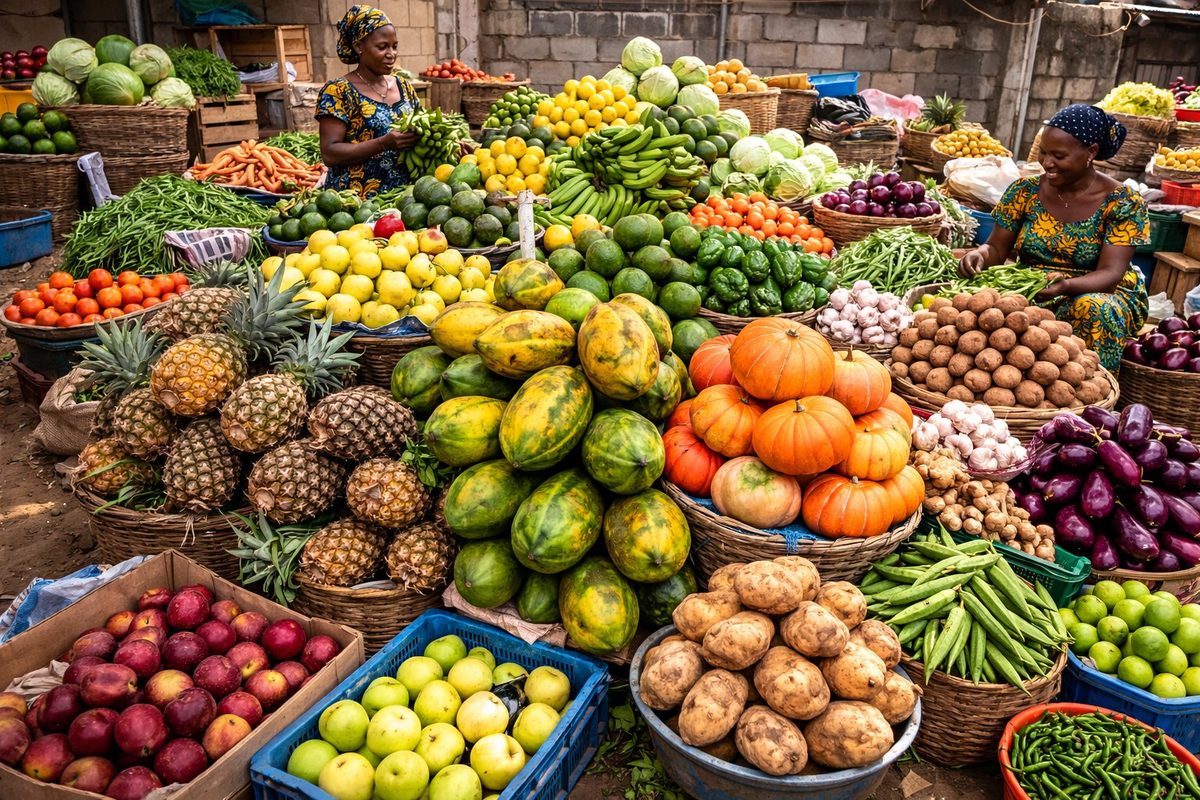
Fresh produce and unforgiving timelines
Importing fresh tropical fruit is one of the most time-sensitive trades there is. The goods have a biological clock from the moment they leave the farm. But there is another clock running simultaneously — the regulatory one — and the two do not always align in your favour.
Every consignment of fresh fruit entering the UK from a third country must be accompanied by a phytosanitary certificate issued by the national plant protection organisation (NPPO) in the country of origin. That certificate is valid for a fixed period. For most fresh fruit coming from West or East Africa, that validity window is 14 days from the date of the plant health inspection.
"The inspection was done on day one. The fruit was loaded on day three. The vessel was delayed by weather for five days. By the time we arrived at Tilbury and went through IPAFFS, the certificate had nine days left. The inspection wasn't scheduled until day 15. We failed on a technicality."
This is not an edge case. It happens regularly to importers who understand their produce perfectly well but have not mapped every step of the compliance timeline against the certificate validity period.
Understanding what IPAFFS actually requires
Since the UK left the EU, phytosanitary controls for plant products entering Great Britain are managed through the Import of Products, Animals, Food and Feed System, IPAFFS. This is the system importers or their agents use to pre-notify the UK government that a consignment of plant products is arriving.
The IPAFFS pre-notification requirement
For fresh fruit and vegetables from high-priority third countries, IPAFFS requires pre-notification at least one working day before the expected arrival at the point of entry. For some categories, the requirement is longer. The pre-notification must include details of the phytosanitary certificate, and the certificate must still be valid at the time of inspection — not just at the time of pre-notification.
The inspection itself is conducted by an Official Veterinarian or Plant Health Inspector at the border control post. If the certificate has expired by the time that inspection takes place, the consignment fails — regardless of how good the fruit looks or how long your relationship with the supplier is.
The timing problem in practice
Here is how the timeline typically plays out for a consignment of mangoes from Ghana to a UK importer:
The NPPO inspector visits the packhouse. Certificate is issued. 14-day clock starts.
2 days consumed before the ship even leaves. 12 days remaining.
Normal transit. 4 days remaining on certificate. IPAFFS pre-notification submitted.
Port backlogs push inspection back 3 days. 1 day remaining on certificate.
Certificate expired on Day 14. Consignment fails. Goods cannot be released.
Notice that nothing went wrong in the conventional sense. The fruit is fine. The supplier did everything right. The certificate was legitimate. But the cumulative effect of normal, expected delays — loading time, transit time, port backlog — consumed the validity window before the inspection could be completed.
What a border hold costs a fresh produce importer
For perishable goods, a border hold is not just an inconvenience — it is a direct threat to the entire value of the consignment. Unlike manufactured goods that can sit in a warehouse while a compliance dispute is resolved, fresh fruit cannot wait. Every day in a cold store is a day off the shelf life you promised your buyer.
UK General Marketing Standards: Fresh fruit entering the UK for retail sale must also comply with UK General Marketing Standards, which set minimum quality grades. Fruit that has deteriorated during an extended border hold may fail these standards even after a phytosanitary issue is resolved, creating a second rejection on top of the first.
The other compliance layer: commodity-specific requirements
Phytosanitary certificates are just one element of the compliance picture for tropical fruit imports. Depending on the commodity and origin, additional requirements can apply:
What else can catch you out
Specific pest interceptions: Certain pests, including fruit flies, mealybugs, and false codling moth, trigger immediate action at UK borders. If your fruit shows signs of pest infestation, the consignment can be detained regardless of the phytosanitary certificate status.
High-priority country controls: Some origin countries are subject to specific import conditions or enhanced checks based on their historical pest interception record. Ghana, for example, has had mangoes subject to specific controls relating to fruit fly risk.
Pesticide MRL compliance: Fresh fruit is also subject to UK MRL controls for pesticide residues. A consignment that passes phytosanitary checks can still be rejected if routine testing finds residues above the legal limit.
Labelling requirements: Outer packaging must be labelled with country of origin, variety, grade, and pack size. Missing or incorrect labelling can trigger a hold at the point of customs clearance.
The mistakes importers make
- Not checking the phytosanitary certificate date before goods are loaded — by the time you discover the timing problem, the ship is already at sea
- Assuming that submitting IPAFFS pre-notification automatically books an inspection slot — it does not. Inspections are subject to capacity at the border control post
- Not factoring transit time variability into certificate validity planning — a vessel delay of even three days can move you from comfortable to critical
- Using a freight forwarder who handles the paperwork but does not flag compliance risks — many forwarders will process documents without cross-checking validity windows
- Not knowing that certain UK ports have longer inspection backlogs than others — choosing the right port of entry can make a material difference to timing
- Failing to specify inspection timing in the supplier contract — if the phytosanitary inspection happens too early in the export process, the certificate may not survive the journey
How to protect your fresh fruit consignments
- Map the full timeline before each shipment — from inspection date to expected UK inspection date — and verify the certificate validity covers the entire journey with a safety margin
- Instruct your supplier to schedule the phytosanitary inspection as close to loading as possible, not as close to harvest as possible
- Submit your IPAFFS pre-notification as early as permitted and confirm the inspection slot before the vessel arrives
- Check whether your origin country or commodity is subject to any specific import conditions or enhanced checks under current UK plant health rules
- Verify pesticide MRL compliance alongside phytosanitary documentation — both can cause a rejection and both should be checked before loading
- Know the inspection capacity situation at your intended port of entry and build contingency into your timing plan
Check your fruit shipment before it leaves
CouloirIQ's pre-shipment compliance check covers phytosanitary certificate validity, IPAFFS requirements, UK General Marketing Standards, pesticide MRL compliance, and commodity-specific import conditions — all in one check before your goods leave the origin country.
Run a Free Compliance Check